Wer in und mit Teams anfängt darüber zu beraten, wie die Zusammenarbeit verbessert werden kann, wird sehr schnell und auch immer mit der Frage konfrontiert, wie die gefundenen Verbesserungen im Alltag dauerhaft verankert werden können. Wie geht das?
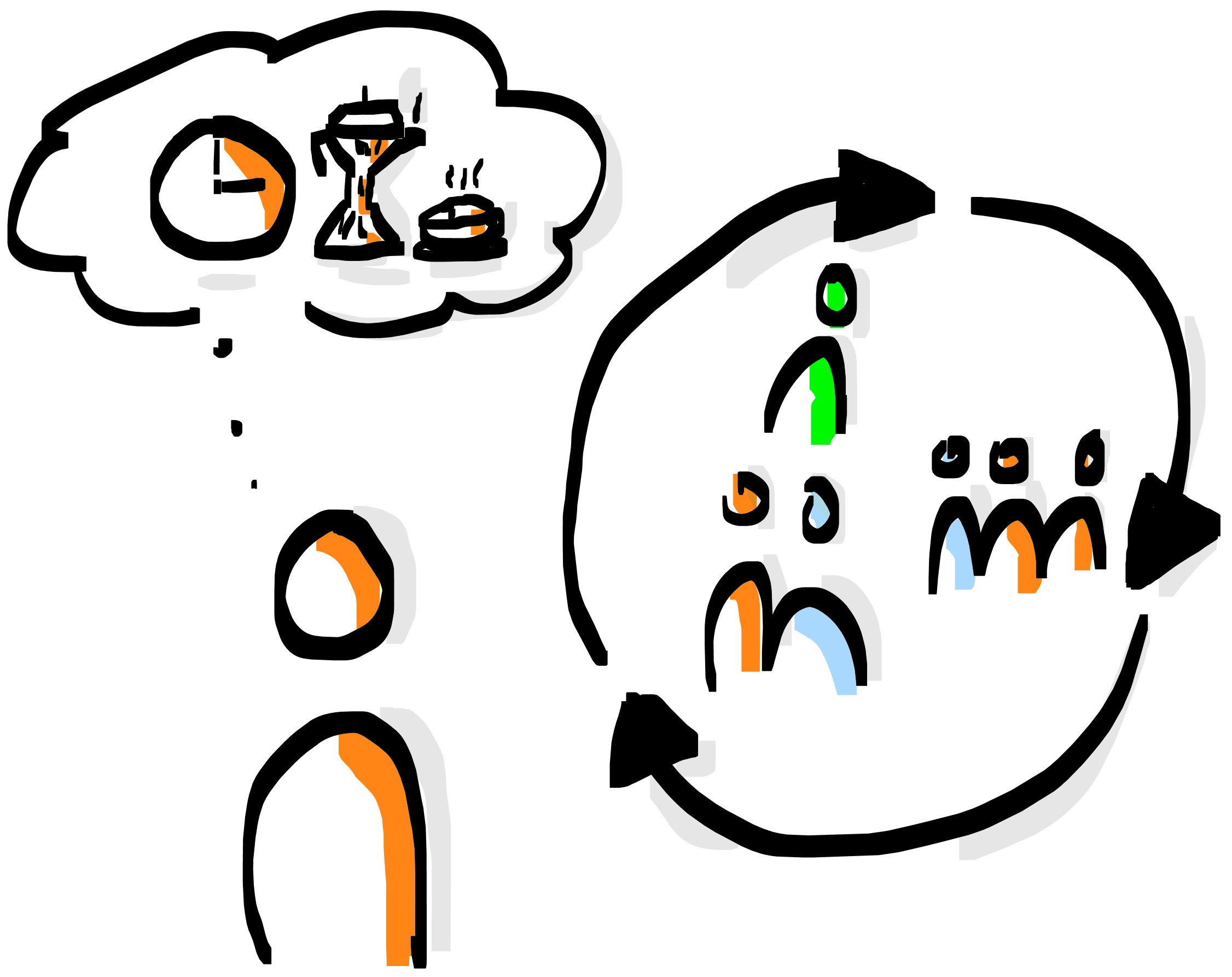
Eine im Teamgeschehen unausweichliche Angelegenheit ist
dass die Dinge manchmal nicht mehr so rund laufen, wie wir uns das wünschen. Dann heißt es: „Wir müssen besser werden!“ Konkret bedeutet das dann nichts anderes, als dass die bestehenden Routinen, Ansätzen und Herangehensweisen in der gemeinsamen Arbeit ständig verändert werden müssen. Und zwar so, dass sie für eine Weile anders laufen als eben bisher.
Also geht es um dauerhafte Veränderungen im Team. Wie können die gelingen?
Eine (wie ich finde gute) Antwort ist: Indem sich die Team-Gewohnheiten ändern.
Wie das grundsätzlich, allgemein und im Einzelfall auch konkret funktionieren kann, wissen wir spätestens nach der Lektüre von (guten) Büchern über Gewohnheiten (siehe z.B. hier).
 Wer aber schnell wissen will, wie das mit Gruppen von Menschen, also Teams und sogar ganzen Unternehmen gelingen kann, der nehme den übersichtlichen (und kostenlosen) Scrum-Guide zu Hilfe.
Er beinhaltet alle wesentlichen psychologischen und strukturellen, also auch organisatorischen Erkenntnisse darüber, was es für erfolgreiche, ergebnisorientierte (Zusammen-) Arbeit, insbesondere Team-Arbeit, braucht.
Das genau ist der große Verdienst
der Autoren Ken Schwaber und Jeff Sutherland:
Die Erkenntnisse aus der Motivations-Psychologie mit den strukturellen Erkenntnissen und Erfahrungen aus der Software-Entwicklung und dem Leanmanagement in einem übersichtlichen und konkreten Arbeitsrahmen so zusammenzufassen, dass es leicht nachvollziehbar und vor allem ebenso leicht anwendbar ist.
Und zwar auch, ohne dass man die dahinterstehenden Überlegungen kennt oder verstehen muss – obwohl es natürlich sehr hilfreich ist, wenn man weiß, warum Scrum so vorgeht, wie es vorgeht.
 Auf den Punkt gebracht
 Auf den Punkt gebracht
macht Scrum nichts anderes als das, was wir aus der Gewohnheits- und Lean-Literatur in jeder Zeile entgegenbrüllt:
- Überlegt Euch, was das Ziel ist und in welche Richtung es gehen soll.
- Legt einen festen Rhytmus fest.
- Macht in diesem Takt geplante und machbare Schritte in Richtung Ziel.
- Kleine Schritte sind besser als keine.
- Überprüft regelmäßig die Ergebnisse.
- Falls nötig, korrigiert euch und passt an.
- Macht dies immer und immer wieder.
Mit anderen Worten
 Mit anderen Worten
Füllt Eure Zusammenarbeit mit guten Gewohnheiten.
Was übrigens auch bedeutet, dass ihr damit nie wieder aufhört. Dann seid ihr alleine durch diese Routine auf dem besten Weg, den ihr überhaupt einschlagen könnt.
So einfach? So einfach. 🙂
When you start working with teams and discussing how to improve collaboration, you quickly face the question of how to establish the improvements in everyday life. How does it work?
In teamwork, there’s one inevitable thing
And that is that sometimes things don’t go as smoothly as we would like them to go. Then the message is, “We have to improve!” Specifically, this means that the existing routines, approaches and methods in the joint work must be constantly changed so that they run differently for a while.
So it’s about permanent changes in the team. How can we succeed?
The one and only answer is: By changing the team habits.
We know how this can work in general, in principle, and also specifically in individual cases, at the latest after reading (good) books about habits (see, for example, here).
But if you want to know quickly how to do this with groups of people, i.e. teams and even whole companies, check out the clear (and free) Scrum Guide.
It contains all the essential psychological and structural, thus even organizational knowledge about what it takes for successful, results-oriented (collaboration) work, especially team work.
This precisely is the great contribution
of the authors Ken Schwaber and Jeff Sutherland:
Summarizing the insights from motivational psychology with the structural insights and experiences from software development and lean management in a clear and concrete working framework in such a way that it is easy to follow and, above all, equally easy to apply.
And that can be achieved even without knowing or understanding the reasoning behind all the Agile fuzz – though it is very helpful if you know why Scrum proceeds as it does, of course.
In a nutshell
Scrum does nothing else but what we’ve learnt from the science of habits and lean management:
- Consider the goal and in what direction you might wanna go.
- Set a firm rhythm.
- Take planned and feasible steps towards the goal in this very rhythm.
- Small steps are better than none.
- Review your results on a very regular basis.
- If necessary, apply changes and adjust.
- Do this over and over again.
In other words
Organize your collaboration with good habits.
Which also means, by the way, that you never stop doing so. Then you are on the best possible track.
That simple? That simple. 🙂