Agil organisierte Unternehmen scheinen heute das Rennen zu machen. Wieso sind wir nicht schon längst alle so organisiert?
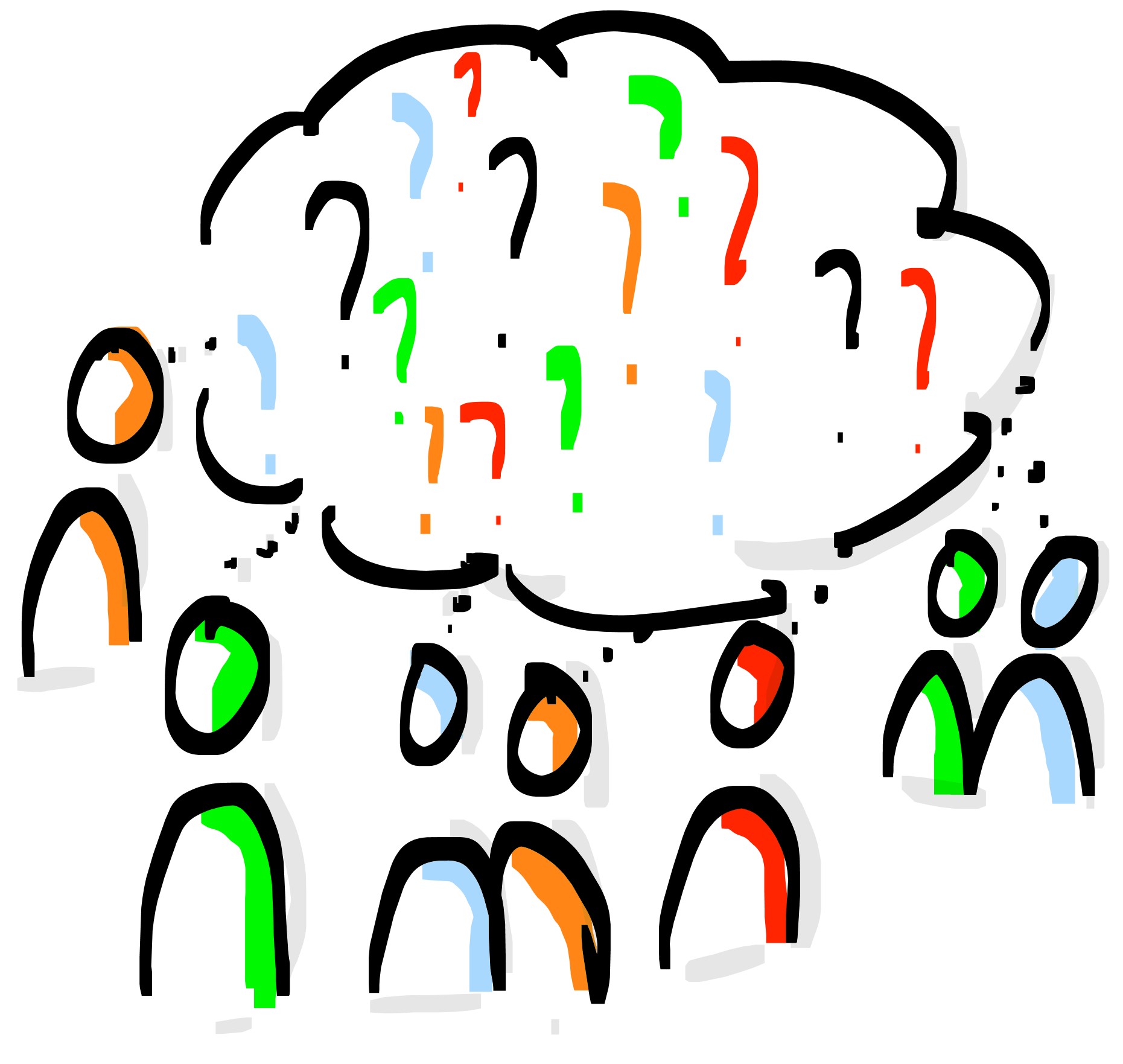
Kürzlich kam ich auf einer Konferenz
mit einer freundlichen Teilnehmerin ins Gespräch. Agilität, sagte sie, fände sie persönlich ansprechend, interessant und sympathisch. Für das, was sie und ihre Abteilung hauptsächlich machen, bedauerte sie, kämen agile Ansätze aber nicht infrage.
Denn bei ihnen in der Abteilung gehe es schließlich nur darum, routiniert eher gleichförmige Aufgaben abzuarbeiten. Für die Projekte, in denen sie teilweise auch mitarbeite, würde sie Agilität sehr begrüßen, für ihre Abteilung nicht.
Obwohl ich natürlich oft mit dem Missverständnis konfrontiert bin
Agilität sei nur etwas für Projekte, gestehe ich, dass ich jedes mal aufs Neue ein wenig ratlos bin. Was soll ich tun? Soll ich argumentieren?
Soll ich sagen, dass es doch gerade die nicht regelmäßig überprüften Denk- und Handlungsmuster sind, eben die festgefahrenen, unbewussten Routinen, die Teams, Abteilungen und ganze Unternehmungen generell und heutzutage besonders in Schwierigkeiten bringen, ja sogar bedrohen?
Denn sie lullen ein und wiegen in einer Sicherheit, die es nicht gibt.
Gerade diese Routinen sind es doch, die dem Wettbewerber Riesenchancen eröffnen.
Soll ich also sagen, dass doch gerade bei den Routinen Agilität besonders wirksam und wichtig ist, weil es agilen Teams darum geht, sich immer wieder und wieder zu fragen, ob sie noch das Richtige tun, ob sie noch gut genug sind, also: ob die Routinen noch stimmen?
Soll ich das tun?
Besser nicht. Wer will schon missioniert werden?
Schließlich haben wir alle das Recht, unseren eigenen Weg zu finden und unsere eigenen Erfahrungen zu machen (inklusive der manchmal abenteuerlichen Fehltritte, die es dazu braucht).
Also hielt ich mich auch dieses Mal zurück. Auch wenn es mir auch dieses Mal schwerfiel. (Es wird mit jedem Mal einfacher).
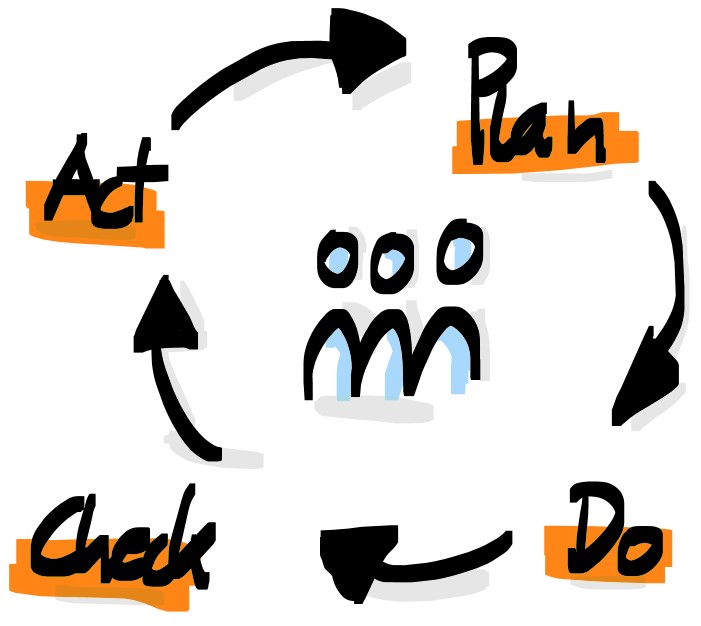
Jeder agile Arbeitsrahmen
sei es Lean Startup, Design Thinking, DevOps, Kanban, Scrum usw. folgt demselben grundlegenden empirischen, erfahrungsbasierten Organisationsprinzip (und derselben Wertschöpfungs-Philosophie): In überschaubaren Schritten, wiederkehrend und ausgerichtet auf ein großes Ziel:
- planen
- tun
- auswerten
- anpassen./1/
Genau genommen handelt es sich dabei um das universelle, evolutionäre Lern- und (Über-) Lebensprinzip, das jeder von uns seit der ersten Sekunde seines Lebens kennt – spätestens seit dem ersten Griff auf die heiße Herdplatte.
Agilität überträgt dieses Lern-Prinzip konsequent
auf die Organisation gemeinschaftlicher Aufgaben. Das tut jeder agile Arbeitsrahmen auf seine Weise, mit bestimmten Schwerpunkten und mit bestimmten Zielen.
Alle verbindet aber – und hier unterscheiden sie sich fundamental von jenen vorherrschenden hierarchischen Strukturen und Organisationsprinzipien, die sich im Maschinen- und Produktionszeitalter des letzten Jahrhunderts herausgebildet hatten -, dass alle Arbeitsrahmen das gemeinschaftliche Element als Grundbedingung in den Vordergrund stellen.
Und zwar nicht etwa, weil Agilisten die besseren Menschen sind (was noch zu beweisen wäre) oder sich etwa diese Art der Zusammenarbeit besser anfühlt (was schon bewiesen ist). Sondern schlicht deshalb, weil es auch im nun angebrochenen Dienstleistungszeitalter darum geht die Wertschöpfung (=pekunärer und/oder sonstiger Profit) zu optimieren („Maximum outcome, minimal waste.“).
Und dafür braucht es eben andere Herangehensweisen als bisher.
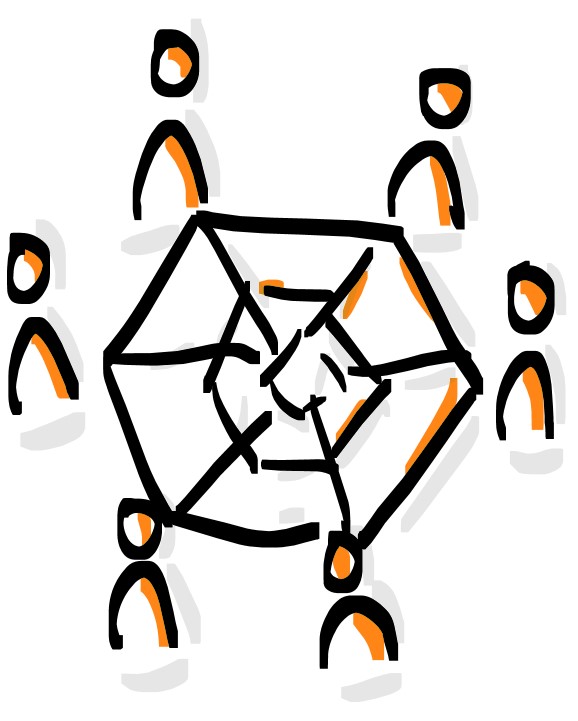
Im Agilen werden deshalb stets
und konsequent so viele Betroffene wie möglich (z.B. Kunden) zu Beteiligten gemacht (Entscheidung über Wertschöpfung, Verantwortung, Motivation). Dafür wird ihnen ein struktureller Rahmen gegeben (finanziell, organisatorisch, thematisch, kreativ, visionär etc.), indem sie sich in bestimmten Rhythmen immer wieder (respektvoll und auf Augenhöhe) selbstorganisiert über das Was, das Wie, den aktuellen Stand und die nächsten konkreten Schritte austauschen (Feedback).
So werden auf eine organisatorisch maximal schnelle, flexible und scheinbar nebenbei wertschätzende und motivationsfördernde Art nach und nach Ergebnisse erarbeitet, die möglichst alle möglichst zufriedenstellen.
(Und wenn dies nicht gelingt, lassen sich Fehlentwicklungen verhältnismäßig leicht und zügig korrigieren.)
Doch obwohl jeder von uns das oben genannte Lernprinzip
buchstäblich in seiner eigenen DNA trägt, obwohl jeder von uns heute eine sehr große Expertise darin hat, wie man sich gut organisiert,/3/ obwohl die Erfolge und Vorteile agiler Unternehmen heute für uns alle sicht- und erlebbar sind, und obwohl es bei uns hingegen immer öfter nicht mehr ganz so rund läuft, langsamer, komplizierter, unflexibler, selbstbezogener, nerviger, konfliktreicher etc., trotz alledem also, tun wir uns schwer damit, den naheliegenden, den agilen Schritt zu gehen.
Wieso?

Es spricht viel dafür
dass wir (wie so manches Mal) Opfer eines allzu menschlichen Verhaltensmusters sind:/4/ Trotz vieler warnender Anzeichen und vorhandener verstandesmäßiger Einsicht fehlen uns noch immer (für uns) gute, überzeugende motivatorische Gründe, fehlt der echte, der eigene Druck, uns vom bestehenden, aber auslaufenden organisatorischen Erfolgsmodell des letzten Jahrhunderts zu lösen.
Was für jeden Einzelnen von uns schon schwierig genug ist, wird in der Gruppe nicht eben leichter. („Passt schon noch.“, „Hat ja bisher alles gut funktioniert!“, „Das wird schon.“)/4/
Das Erfolgsmodell sah vor
strukturelle und routinierte Stabilität anzustreben. So erforderten das die damaligen Umstände.
Also setzte man auf Arbeitsteilung (Silos) und auf Management („Command und Control“), auf maximal effiziente, routinierte und standardisierte Abläufe („Best Practice“), auf die Expertise und Stärke des Einzelnen („Spezialistentum“, „Auf dich kommt es an!“) und auf extrinsische Motivatoren (Boni, Existenzangst).
 Bis zur Jahrtausendwende hat das ökonomisch bestens funktioniert
 Bis zur Jahrtausendwende hat das ökonomisch bestens funktioniert
(bei der Ökologie sieht es allem Anschein nach wohl anders aus) und war deshalb auch lange Zeit sehr erwünscht.
Heute aber entwickelt sich diese Form der Unternehmensführung gar nicht mal so langsam zu einem relativ großen strukturellen Risiko, das Organisationen in ihrer Gesamtheit existentiell bedrohen kann (und das auch gerne tut).
Denn anders als damals haben wir es heute mit viel unsteteren Zeiten und veränderten Umwelten zu tun. Komplexität und Schnelllebigkeit sind hier nur zwei, wenngleich auch besonders große Herausforderungen für Organisationen.
Es lassen sich hier aber mühelos eine Vielzahl anderer Themen hinzufügen, die sich ähnlich rasant bis radikal entwickeln:
- Ausdifferenzierung der Märkte (Subkulturen),
- Beschäftigungskrise und Gendershift in der Arbeitswelt (demographischer Wandel),
- Autoritätswandel,
- Generationen- und Motivationskluft („Wegfall des Patriachats“, „Generation X, Y, Z“),
- Demokratiekrise inklusiver der Neuordnung von nationalen und internationalen Staatssystemen,
- Und – sicherlich nicht zu GUTER-letzt: die unsichere und unvorhersehbare Umwelt- und Klimaentwicklung.
Wohlgemerkt: All das sind keine ‚g’spinnerten‘ Zukunftsprognosen.
Es sind heutige Phänomene, die uns alle (!) heute betreffen und denen wir uns alle (!) auch heute zu stellen haben. Heute heißt: Jetzt. Jeden Tag.
Ob uns das mit den bisherigen organisatorischen Mitteln gelingt? Fraglich.
 Ob uns das mit den bisherigen organisatorischen Mitteln gelingt? Fraglich.
Albert Einstein soll einmal gesagt haben, man könne die Probleme nicht mit derselben Denkweise lösen, durch die sie entstanden seien. Es spricht einiges dafür, dass dies auch für Organisationsweisen gilt.
Warum also organisieren wir uns nicht schon längst anders? Läuft’s noch gut genug? Oder wird es nicht doch Zeit, dass wir, jede und jeder für sich vielleicht erst einmal, die Dinge anders angehen?
Anmerkungen
- /1/ Siehe auch: Deming-Kreis, z.B. hier auf Wikipedia
- /2/ Warum? Weil über die Wertschöpfung einer Dienstleistung anders, von anderen und an anderen Stellen entschieden wird als über die Wertschöpfung eines Produkts. Hauptsächlich also deshalb, weil der Push-Ansatz nicht mehr so zuverlässig funktioniert ist wie früher.
- /3/ Vermutlich durch die unzähligen Restrukturierungs- und Effizienzprogramme der letzten Dekaden.
- /4/ „Dies drückt sich in der Tendenz der meisten Menschen aus, weiterzumachen wie bisher, selbst wenn Veränderungen ihnen durchaus Vorteile bringen würden. Den Grund für dieses scheinbar irrationalen Beharrungsvermögen haben wir genannt: Ein Weitermachen wie bisher trägt eine starke Belohnung in sich als Lust an der Routine, am Expertentum, am Statusbewahren. Hinzu kommt die Angst vor dem Neuen, das immer auch das Risiko des Scheiterns in sich birgt. Dies erzeugt bei vielen Menschen eine hohe Schwelle, welche der Belohnungswert der Veränderungen des eigenen Verhaltens überwinden muss.“ Gerhard Roth (s.u.).
- /4/ Sie auch: Dörner, Dietrich: Die Logik des Misslingens. Strategisches Denken in komplexen Situationen. Reinbek, 2007.
Literatur
- Dörner, Dietrich: Die Logik des Misslingens. Strategisches Denken in komplexen Situationen. Reinbek, 2007.
- Kotter, John P.: Accelerate. Building Strategic Agility for a Faster-Moving World. Boston, 2014.
- Roth, Gerhard: Persönlichkeit, Entscheidung und Verhalten. Warum es so schwierig ist, sich und andere zu ändern. Stuttgart, 2011.
- Spitzer, Manfred: Lernen. Gehirnforschung und die Schule des Lebens. Heidelberg, 2007.
- Verhaeghe, Paul: Autorität und Verantwortung. München, 2016.
Companies organized in an agile way seem to be ahead of the game today. So, why haven’t we all already been organized in this way?
Recently, on a conference, I talked
to a friendly attendee. Agile, she said, appealed to her personally, she found it interesting and helpful. But for her and her department’s job, she regretted, agile approaches were out of the question.
After all, in her department, it’s all about routinely processing rather uniform tasks. She would very much welcome agility for projects in which she is also partly involved, but not for her department’s routines.
While I am certainly often confronted with the misconception
that Agile was invented for projects, I confess that I am always a bit clueless. What should I do? Should I argue?
Should I say that it is precisely the patterns of thought and action that are not regularly reviewed, precisely the entrenched, unconscious routines, that get teams, departments and entire companies into trouble. In general. Especially nowadays. They turn out to be a threat to them.
Because they make you feel safe when you are not..
It is precisely these routines that open up huge opportunities for competitors.
So should I say that Agile is particularly effective and important with routines? Because Agile teams are all about asking themselves again and again whether they are still doing the right thing, whether they are still good enough, in other words: whether the routines are still right?
Should I be doing this?
Better not. Who wants to be preached to?
After all, we all have the right to find our own way and make our own experiences (including the sometimes adventurous missteps it takes).
So I held back this time again. Even though it was hard for me this time. Again. (It gets easier each time).
Any Agile working framework
be it Lean Startup, Design Thinking, DevOps, Kanban, Scrum, etc., follows the same basic empirical, experience-based organizing principle (and the same value creation philosophy): in manageable steps, recurring, and focused on a big goal:
- plan
- do
- check (study)
- adapt./1/
Accurately speaking, this is the universal, evolutionary principle of learning and surviving that each of us has known since the first moment of our lives – at least since we first touched the very hot hotplate.
Agile consistently transfers this learning principle
to the organization of collaborative tasks. Each agile working framework does this in its own way, with certain emphases and with certain goals.
What they all have in common, however – and here they differ fundamentally from those prevailing hierarchical structures and organizational principles that emerged in the machine and production age of the last century – is that all working frameworks prioritize the collaborative element as a basic condition.
And this is not because Agilists are better people (which has yet to be proven) or because, say, this kind of collaboration feels better (which has already been proven).
But simply because today, in the dawned service age, it is all about optimizing value. Which means pecuniary and/or other profit. („Maximum outcome, minimum waste.“).
And for this it simply needs different approaches than the ones around.
Agile, therefore, always and consistently turns as many people as possible
to participants. May it be managers, staff or any kind of stakeholder, first and foremost of course the customers. (We are talking about taking part in decision making, value creation, taking over responsibility, motivation etc.).
For this purpose, they are given a structural framework (financial, organizational, thematic, creative, visionary, etc.). In an self-organized way they repeatedly (respectfully and on an equal level) exchange information (feedback) about the what, the how, the current status and the next concrete steps in certain rhythms.
As a consequence, results are gradually developed in an organizationally maximally fast, flexible and seemingly incidentally appreciative and motivating way, which satisfy everyone as much as possible.
(And if this does not succeed, undesirable developments can be corrected relatively easily and quickly).
However, although each of us know this learning principle by heart
although each of us today has a very large expertise in how to organize well,/3/ although the successes and advantages of agile companies are visible and tangible for all of us today, and although, on the other hand, things are increasingly not going quite so smoothly for us, slower, more complicated, more inflexible, more self-centered, more annoying, more conflictual, etc., so despite all this, we find it difficult to take the obvious, the agile step.
Why?
For me, it is because
we are (as so many times) victims of an all-too-human pattern of behavior:/4/ Despite many warnings and existing rational insight, we still lack (for us) good, convincing motivational reasons, we lack the real, our own urgency to break away from the existing but expiring organizational success model of the last century.
What is tough enough for each of us individually doesn’t get any easier in groups. („It’ll work out.“, „It’s all worked out well so far!“, „It’ll be fine.“)/4/
The successful model called for
striving for structural and routine stability. That`s what the circumstances of the time demanded.
So they relied on division of labor (silos) and on management („command and control“), on maximally efficient, routinized and standardized processes („best practice“), on the expertise and strength of the individual („specialism“, „it’s up to you!“) and on extrinsic motivators (bonuses, existential fear, compulsion).
Until the turn of the millennium, this worked just fine economically
(ecologically, it probably looks different) and was therefore also very desirable for a long time.
Today, however, this form of corporate management is developing not at all slowly into a relatively large structural risk that can (and happily does) pose an existential threat to organizations as a whole
Because unlike back then, today we are dealing with much more unsteady times and changed environments. Complexity and rapidity are just two challenges for organizations here, albeit particularly large.
However, a multitude of other issues can be effortlessly added here, which are developing at a similarly rapid to radical pace:
- Differentiation of markets (subcultures),
- Skilled labor crisis and gender shift in the workplace (demographic change),
- Change in authority,
- Generational and motivational divide („the disappearance of patriarchy“, „Generation X, Y, Z“),
- Democracy crisis including the reorganization of national and international state systems,
- And – certainly not to GOOD-last: the uncertain and unpredictable environmental and climate developments.
Note: All these are not future predictions.
They are today’s phenomena that affect us all (!). Today. And we have to face them all (!) today. Today means: now. Every day.
Will we succeed with the previous organizational means? Questionable.
Albert Einstein is believed to have once said that you can’t solve problems with the same mindset that created them. There is something to be said for the fact that this also applies to ways we organize our work.
So why aren’t we already doing things differently? Are things still going well enough? Or shouldn’t we start to approach things differently?
Notes
- /1/ See also: Deming circle, e.g. here on Wikipedia
- /2/ Why? Because the value creation of a service is decided differently, by others and in other places than the value creation of a product. Mainly, then, because the push approach is no longer as reliable as it once was.
- /3/ Probably due to the countless restructuring and efficiency programs of the last decades.
- /4/ „This is expressed in the tendency of most people to carry on as before, even when change would definitely bring them advantages. We have given the reason for this seemingly irrational persistence: Continuing as before carries a strong reward in the form of a desire for routine, for being an expert, for maintaining status. Added to this is the fear of the new, which always carries with it the risk of failure. This creates a high threshold in many people, which the reward value of changes in one’s own behavior must overcome.“ Gerhard Roth (see below).
- /4/ See also: Dörner, Dietrich: The logic of failure. Strategic thinking in complex situations. Reinbek, 2007.
Literature
- Dörner, Dietrich: Die Logik des Misslingens. Strategisches Denken in komplexen Situationen. Reinbek, 2007.
- Kotter, John P.: Accelerate. Building Strategic Agility for a Faster-Moving World. Boston, 2014.
- Roth, Gerhard: Persönlichkeit, Entscheidung und Verhalten. Warum es so schwierig ist, sich und andere zu ändern. Stuttgart, 2011.
- Spitzer, Manfred: Lernen. Gehirnforschung und die Schule des Lebens. Heidelberg, 2007.
- Verhaeghe, Paul: Autorität und Verantwortung. München, 2016.